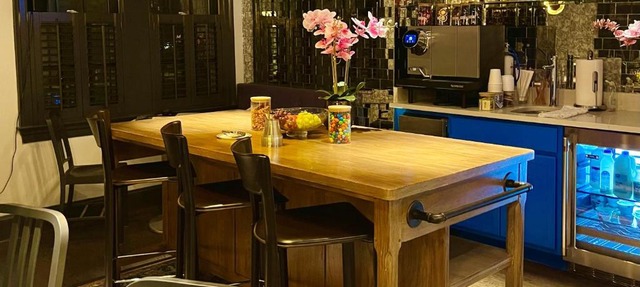
Apartment


 8.0
8.0(231 Reviews)
25 Bedrooms
58 Guests
 Breakfast
 Balcony/Terrace
 View
View Kitchen

US $353/Night
Washington feels spacious, with long blocks, hush, and marble light.
A walkable city of monuments, museums, and shaded streets, made for lingering and returning.

Washington moves with a polished civic rhythm, where monuments, museums, and wide avenues shape the day. The National Mall and evening glow along the Potomac make it distinct and memorable.
Stays grouped by the way people travel, so you can start from the trip you want rather than a list of rooms in Washington.
8.09.8

 8.0
8.0 9.010.0
 9.09.0
 8.88.7



 8.910.0
 9.2
9.2 8.5
8.5 8.38.7
 8.8
8.8 8.4
8.4 8.6
8.6 8.88.3
Walkable, museum-rich, and easy to navigate, Washington moves at a measured pace for travelers on foot.
Federal landmarks, Smithsonian museums, embassies, and the layered history around the National Mall and Capitol Hill.
Best for first visits, museum-focused days, political history, and work trips that stretch into cultured weekends.
Explore on foot through the National Mall, Downtown, Dupont Circle, Georgetown, and Capitol Hill, with Metro filling the longer cross-city gaps.
Ronald Reagan Washington National Airport (DCA), south of the city center along the Potomac.
Three to four days gives room for museums, monuments, and neighborhood time without rushing between districts.
Measured, polished, historic, civic, stately
For things to do in Washington, think museum evenings, late diners, and cross-town walks between Capitol Hill and downtown.
Start with coffee, pastries, and produce at Eastern Market, where neighbors linger over quick shopping before the day picks up around Capitol Hill.
Duck into a casual café or counter spot on 14th Street NW, then watch the neighborhood move by as office workers and locals cycle through midday routines.
Wander a weekend farmers market in Dupont Circle for flowers, seasonal produce, and bread, with regulars arriving early and filling reusable bags.
Follow the tree-lined blocks around Logan Circle as residents head out for dinner, dog walks, and a slow turn around the neighborhood after work.
From historic streets to leafy waterfront, each neighborhood offers its own way
to spend a day in the city.
March and April draw many travelers for the National Cherry Blossom Festival and peak bloom around the Tidal Basin.
Downtown sidewalks soften under new light, museum steps and neighborhood terraces stay lively, and the city feels ceremonial as afternoons spill into longer, easier walks.
Evenings stretch across broad avenues and public spaces, with outdoor performances, late dinners, and a looser rhythm that keeps the city active after dark.
The pace sharpens again as tree-lined streets and museum corridors fill with purpose, and the city settles into crisp, walkable days with a focused, local feel.
Stone facades, lit windows, and quieter sidewalks give the city a composed mood, with short walks between galleries, restaurants, and seasonal displays.
Downtown sidewalks soften under new light, museum steps and neighborhood terraces stay lively, and the city feels ceremonial as afternoons spill into longer, easier walks.
Evenings stretch across broad avenues and public spaces, with outdoor performances, late dinners, and a looser rhythm that keeps the city active after dark.
The pace sharpens again as tree-lined streets and museum corridors fill with purpose, and the city settles into crisp, walkable days with a focused, local feel.
Stone facades, lit windows, and quieter sidewalks give the city a composed mood, with short walks between galleries, restaurants, and seasonal displays.
From after-work noodles in Shaw to quiet museum nights on the Mall, these are the Washington spots locals keep returning to.
Capitol Hill regulars come for produce, flowers, and the weekend flea market, then linger over coffee and pastries before the day starts.
Adams Morgan cafés and small eateries keep mornings unhurried, with strong coffee, breakfast plates, and the easy overlap of neighbors passing through.
Georgetown locals use the towpath for an after-work reset, where cyclists, joggers, and quiet canal views slow the pace without leaving the city.
Notes that help you plan a trip to Washington.
Penn Quarter and Capitol Hill stay easy to explore on foot, with Dupont Circle close by for cafes and galleries.
The Metro links downtown, the Mall, and neighborhoods like Dupont Circle; rideshares help after late dinners.
Three to four nights gives time for museums, Capitol Hill, and a few neighborhood meals.
Stay near Metro lines and downtown offices; quiet apartments with desks and Wi-Fi fit longer stays.
Quick answers to the questions travelers ask most.
Discover top family-friendly travel options in or near Washington. If you're planning a trip or vacation to Washington, consider spending a week or two at any of our welcoming family-allowed hotels, resorts, or other recommended properties. These are renowned as the Top Vacation Rentals and Places to Stay in Washington:
Sonder™ regularly updates its listings to offer a diverse selection of accommodations, each with clear details on family amenities. Currently, there are over 255 active properties listed by Sonder in 2026 in the Washington area, with new additions daily. By aggregating listings from various websites and travel providers, Sonder delivers a vast array of top places to stay that are perfect for families visiting Washington.
Discover top family-friendly travel options in or near Washington. If you're planning a trip or vacation to Washington, consider spending a week or two at any of our welcoming family-allowed hotels, resorts, or other recommended properties. These are renowned as the Top Vacation Rentals and Places to Stay in Washington:
Sonder™ regularly updates its listings to offer a diverse selection of accommodations, each with clear details on family amenities. Currently, there are over 255 active properties listed by Sonder in 2026 in the Washington area, with new additions daily. By aggregating listings from various websites and travel providers, Sonder delivers a vast array of top places to stay that are perfect for families visiting Washington.
The best trips rarely go exactly as planned. Sonder keeps you closer to the neighborhoods, kitchens, and small moments that make a city worth remembering.